Keep stools soft
25 to 30 g of fibre a day, isabgol if your doctor advises, and 2.5 to 3 litres of water. Soft stools stop the tear from reopening.
Care guide
An anal fissure is a small tear in the skin lining the anus. It causes sharp, cutting pain while passing stool, often with a little bright red blood, and a burning ache that can last for hours afterwards. Most fissures heal in a few weeks with soft stools, warm sitz baths and medicines that relax the anal muscle.
In Hindi it is often called guda mein darar (गुदा में दरार), and in Marathi gudadwarala bheg (गुदद्वाराला भेग).
01
A fissure is a small split in the thin skin at the opening of the anus, usually at the back (towards the spine). It often starts when a hard or large stool stretches the skin.
The tear hurts, the pain makes the ring of muscle around the anus (the internal sphincter) go into spasm, and the spasm reduces blood flow and stops the tear from healing. Breaking this pain and spasm cycle is the aim of treatment.
| Type | How long | What it looks like |
|---|---|---|
| Acute fissure | Less than 6 weeks | A fresh, clean split. Usually heals with home care and medicines. |
| Chronic fissure | More than 6 to 8 weeks | Deeper, with hard edges and often a small skin tag (sentinel pile). May need a procedure. |
02
Painless bleeding is more typical of piles. The two often occur together.
03
Fissures that are not at the back or front, that are many, or that do not heal can be a sign of another condition such as Crohn’s disease or an infection. Your doctor will check for these.
04
25 to 30 g of fibre a day, isabgol if your doctor advises, and 2.5 to 3 litres of water. Soft stools stop the tear from reopening.
10 to 20 minutes, 2 to 3 times a day and especially after passing stool, when pain and spasm are worst.
Don’t hold stool back for fear of pain. Holding makes it harder.
Wash with water and pat dry. No rubbing with dry paper.
05
A sitz bath is warm-water fomentation of the anal and perianal region. For a fissure it is especially useful: warmth relaxes the spasm of the internal sphincter, which eases pain and improves blood flow to the tear. Studies of warm sitz baths in fissure show lower pain after bowel movements.
It does not close the tear on its own. It works together with soft stools and the medicines your doctor prescribes.
Many people find the first sitz bath after passing stool the most helpful one of the day. Use comfortably warm water, never hot, for 10 to 20 minutes. See the sitz bath guide.
06
After any of these, warm sitz baths are usually advised. See care after anorectal surgery.
07
Seek urgent care for heavy bleeding, fever, a painful hot swelling near the anus (which may be an abscess), or dark or black stool.
A new (acute) fissure usually heals in a few days to 6 weeks with soft stools, sitz baths and medicines. A fissure lasting more than 6 to 8 weeks is called chronic and may need a procedure.
Yes. Warm water relaxes the spasm of the anal muscle, which eases pain and improves blood flow to the tear. It works best together with soft stools and prescribed medicines.
Right after passing stool, when pain and spasm are worst, and then 1 to 2 more times in the day.
Most do. Surgery such as lateral internal sphincterotomy is for chronic fissures that have not healed with 6 to 8 weeks of treatment.
No. A fissure is a tear in the skin and causes sharp pain. Piles are swollen blood vessels and are usually painless. They can happen together.
Plenty of fibre (fruit, vegetables, dal, whole grains), enough water, and less maida, fried food and red meat if they make you constipated.
About the reviewer
Dr Govind Kodwani, MBBS, MS (General Surgery), FIAGES, FMAS, FCCS, Faculty at ISCP
Dr Govind Kodwani is a general surgeon and the proprietor of Kodwani Medisales, which makes Doctor Base Care products.
General information, not medical advice. Please see a doctor for diagnosis and treatment. Sources: NHS: Anal fissure, ASCRS: Anal fissure
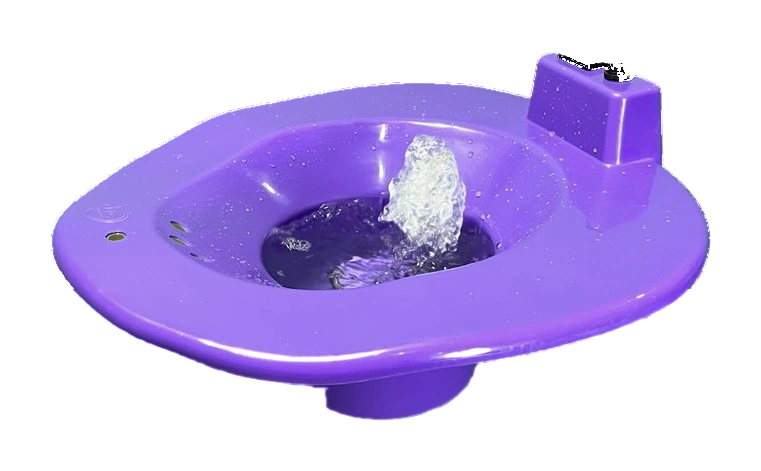
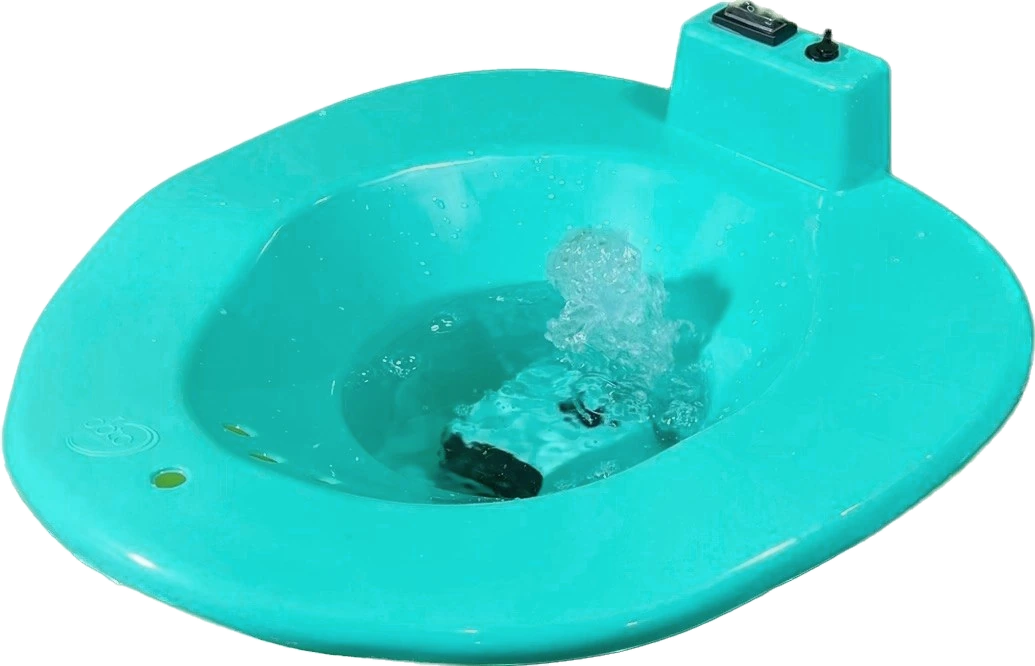
A gentle, continuous warm-water splash on any standard Western toilet. Electric and rechargeable battery models.