
Care guide
Anal fistula (bhagandar): symptoms, causes and treatment
An anal fistula is a small tunnel between the inside of the anal canal and the skin near the anus. It usually follows an abscess (a collection of pus) and causes discharge, irritation and repeated painful swelling. A fistula rarely heals by itself, so it is treated with surgery. Warm sitz baths keep the area clean and comfortable before and after treatment.
Called bhagandar (भगंदर) in Hindi, Marathi and Ayurveda, and fistula in ano by doctors.
- Usually starts as an abscess
- Needs a surgeon’s treatment
- Sitz baths help wound care
- Healing takes weeks
01
What is an anal fistula?
Small glands just inside the anus can get blocked and infected. The infection forms an abscess, a painful swelling full of pus. When the abscess bursts or is drained, it can leave behind a narrow tunnel from the gland to the skin. That tunnel is a fistula.
Fistulas are described by how they relate to the anal sphincter muscles, which control stool. A simple fistula crosses little or none of the muscle. A complex fistula crosses more muscle, has branches, or comes back after treatment. This decides which operation is safest.
02
Symptoms
- A small opening in the skin near the anus that leaks pus, blood or a watery discharge, staining underwear.
- Irritation and itching of the skin around it.
- Pain and swelling that build up, then ease when the discharge comes out, again and again.
- Fever and feeling unwell when an abscess forms.
A painful, hot, growing swelling near the anus with fever is an abscess. See a doctor the same day. It needs draining; antibiotics alone are rarely enough.
03
Causes and risk factors
- A previous anal abscess. This is the cause in most people.
- Crohn’s disease and other inflammatory bowel disease.
- Tuberculosis, which doctors in India check for when a fistula keeps coming back.
- Diabetes, which makes infections more likely and slower to heal.
- Previous surgery or injury in the area.
04
Treatment
A fistula almost never closes by itself, and creams or antibiotics do not cure it. Your surgeon may order an MRI to map the tunnel, then choose an operation that clears the fistula while protecting the sphincter muscle.
| Operation | What it does | Often used for |
|---|---|---|
| Fistulotomy | Opens the tunnel along its length so it heals from the inside out | Simple, low fistulas |
| Seton | A soft thread through the tunnel lets it drain, or slowly cuts through | Complex fistulas, or as a first stage |
| LIFT | Ties off the tunnel between the muscles without cutting them | Fistulas that cross more muscle |
| Advancement flap | Covers the inner opening with a flap of healthy tissue | Complex or recurrent fistulas |
| Laser (FiLaC) or VAAFT | Seals or cleans the tunnel from inside with a laser or camera | Selected cases; results vary |
| Kshar sutra | A medicated thread, used in Ayurvedic practice | Offered by some centres |
Ask your surgeon about the expected healing time, the chance of the fistula coming back, and any risk to control of wind or stool for the option they suggest.
05
Sitz baths for fistula and wound care
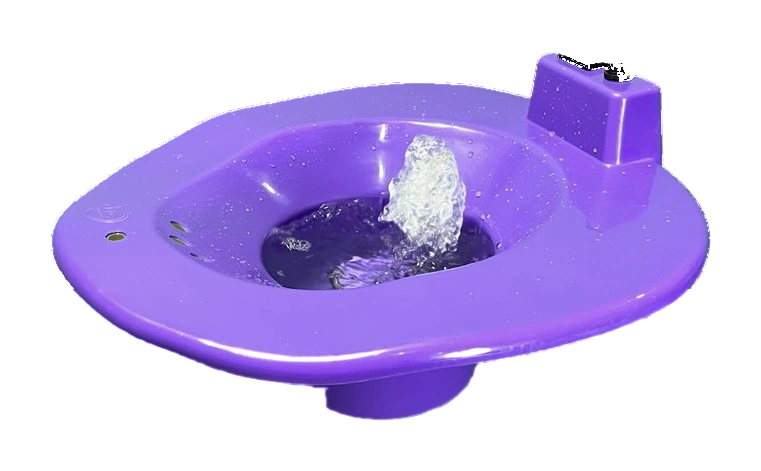
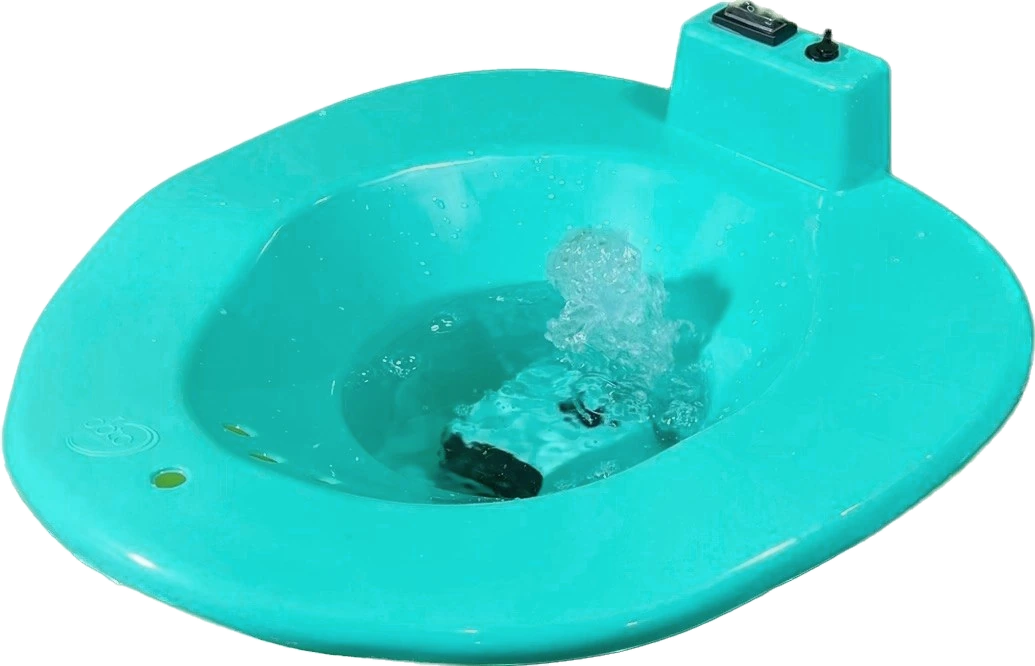
A sitz bath is warm-water fomentation of the anal and perianal region. For a fistula, it is mainly about keeping the area clean and comfortable:
- Before surgery, it eases pain and helps discharge drain.
- After surgery, the wound is often left open to heal from the inside. Sitz baths after each bowel movement wash it gently without rubbing, which surgeons usually advise.
- Warmth relaxes the muscles and soothes soreness, so you can sit and move more comfortably.
A sitz bath does not close a fistula. Follow your surgeon’s advice on dressings, seton care and when to start sitz baths. See care after anorectal surgery.
06
Recovery at home
- Sitz bath 2 to 3 times a day and after every bowel movement, 10 to 20 minutes each.
- Keep stools soft with fibre, water and the stool softener your surgeon prescribes.
- Wear a soft pad to protect clothes from discharge; change it often.
- Take painkillers as prescribed.
- Go back for every follow-up visit. Wounds are checked to make sure they heal from the base.
Healing usually takes 4 to 12 weeks, depending on the size of the wound and the operation.
07
When to see a doctor
- Any discharge or a small opening near the anus.
- Repeated boils or swelling near the anus.
- After surgery: fever, increasing pain or redness, heavy bleeding, or a foul smell from the wound.
Common questions
Can bhagandar heal without an operation?
Very rarely. A fistula is a lined tunnel, and medicines or creams do not close it. Surgery is the usual treatment. A doctor may first treat an abscess or infection.
Does a sitz bath help fistula?
It helps keep the area clean, eases pain and helps discharge drain, especially after surgery. It does not cure the fistula itself.
How long does it take to heal after fistula surgery?
Usually 4 to 12 weeks, depending on the operation and the size of the wound. Complex fistulas can take longer or need more than one stage.
Is fistula the same as piles?
No. A fistula is a tunnel from the anal canal to the skin, usually after an abscess. Piles are swollen blood vessels. They are different conditions with different treatments.
Can fistula come back?
Yes, in some people, especially with complex fistulas, Crohn’s disease or TB. Your surgeon chooses the operation to balance the chance of cure with protecting the anal muscle.
How many times a day should I take a sitz bath after fistula surgery?
Most surgeons advise 2 to 3 times a day and after each bowel movement, for 10 to 20 minutes. Follow your own surgeon’s instructions.
Related guides
About the reviewer
Dr Govind Kodwani, MBBS, MS (General Surgery), FIAGES, FMAS, FCCS, Faculty at ISCP
Dr Govind Kodwani is a general surgeon and the proprietor of Kodwani Medisales, which makes Doctor Base Care products.
General information, not medical advice. Please see a doctor for diagnosis and treatment. Sources: NHS: Anal fistula, ASCRS: Abscess and fistula
A sitz bath that does the work for you.
A gentle, continuous warm-water splash on any standard Western toilet. Electric and rechargeable battery models.