Piles (haemorrhoids)
Swollen blood-vessel cushions. Bleeding, itching, a lump. Most settle with diet and simple treatment. Read the guide.
Care guide
Anorectal conditions are problems of the anus and the lower rectum. The most common are piles, fissures, abscesses and fistulas. They cause pain, bleeding, itching, a lump or discharge, and they are treated by a general surgeon or proctologist. Many are helped by the same basics: soft stools, no straining and warm sitz baths.
In Hindi these are often called guda rog (गुदा रोग), and in Marathi gudadwarache aajar (गुदद्वाराचे आजार).
01
This table shows the usual pattern. It is a guide, not a diagnosis: several conditions often occur together, and only an examination can tell for sure.
| Main symptom | Most likely | Read more |
|---|---|---|
| Painless bright red bleeding, a soft lump | Piles (haemorrhoids) | Piles guide |
| Sharp pain while passing stool, a streak of blood | Anal fissure | Fissure guide |
| Painful hot swelling, fever | Perianal abscess | See below |
| Discharge from a small opening near the anus | Anal fistula (bhagandar) | Fistula guide |
| Itching around the anus | Pruritus ani, piles, or a skin problem | See below |
| A sudden painful bluish lump | Thrombosed external pile | Piles guide |
| Bleeding with change in bowel habit, weight loss | Needs prompt tests to rule out cancer | See a doctor |
02
Swollen blood-vessel cushions. Bleeding, itching, a lump. Most settle with diet and simple treatment. Read the guide.
A small tear causing sharp pain on passing stool. Most heal in weeks with soft stools, sitz baths and medicine. Read the guide.
An infected gland forms an abscess, which can leave a tunnel (fistula, bhagandar). Needs surgery. Read the guide.
Itching from moisture, over-cleaning, soaps, piles, worms or skin conditions. Gentle washing and keeping dry help.
Harmless flaps of skin, often after piles or a fissure. Removed only if they bother you.
The rectum slips out through the anus, usually in older adults. Needs a surgeon’s assessment.
Less common causes of symptoms include pilonidal sinus (near the tailbone, not the anus), sexually transmitted infections, Crohn’s disease, and anal or bowel cancer. This is why persistent symptoms should always be examined.
03
Many people delay for months out of embarrassment. Surgeons and proctologists see these problems every day, and the visit is usually short.
See a doctor promptly for any first-time bleeding, bleeding over the age of 40, dark blood or blood mixed with stool, a change in bowel habit for more than 3 weeks, weight loss, a painful swelling with fever, or pain that keeps getting worse.
04
| Step | Examples | Used for |
|---|---|---|
| Home care | Fibre, water, no straining, sitz baths, gentle hygiene | All conditions, at every stage |
| Medicines | Stool softeners, muscle-relaxing ointments, short-course creams, antibiotics when infected | Piles, fissure, abscess |
| Clinic procedures | Rubber band ligation, sclerotherapy, abscess drainage, botulinum injection | Piles, abscess, fissure |
| Surgery | Haemorrhoidectomy, stapler, laser, sphincterotomy, fistulotomy, seton, LIFT | Large piles, chronic fissure, fistula |
After any procedure, warm sitz baths and soft stools are the usual advice. See care after anorectal surgery.
05
A sitz bath is warm-water fomentation of the anal and perianal region. It is advised for most anorectal conditions because it:
It is a comfort and hygiene aid, not a cure. Use it alongside the treatment your doctor recommends. The sitz bath guide shows how.
06
A general surgeon or a proctologist (a surgeon who focuses on the anus and rectum). Your family doctor can do a first check and refer you.
Most clinic procedures take minutes with little pain. Operations are done under anaesthesia; the days afterwards can be sore, and warm sitz baths, painkillers and soft stools help.
Yes, this is common. Both are linked to constipation and straining, and both are helped by soft stools and warm sitz baths.
It helps the symptoms of most of them, including piles, fissure, abscess after drainage, fistula and recovery after surgery. It does not cure any of them on its own.
No. Piles are the most common cause, but fissures, inflammation and bowel cancer can also bleed. Any new bleeding should be examined by a doctor.
About the reviewer
Dr Govind Kodwani, MBBS, MS (General Surgery), FIAGES, FMAS, FCCS, Faculty at ISCP
Dr Govind Kodwani is a general surgeon and the proprietor of Kodwani Medisales, which makes Doctor Base Care products.
General information, not medical advice. Please see a doctor for diagnosis and treatment. Sources: ASCRS: Diseases and conditions, NHS: Piles, NHS: Anal fissure
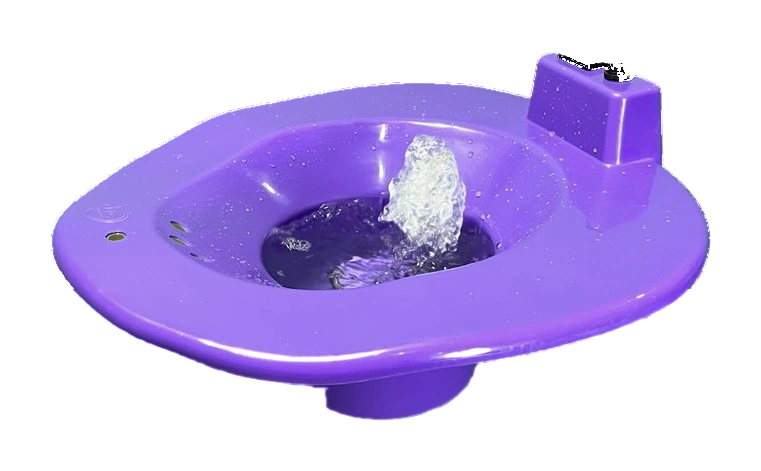
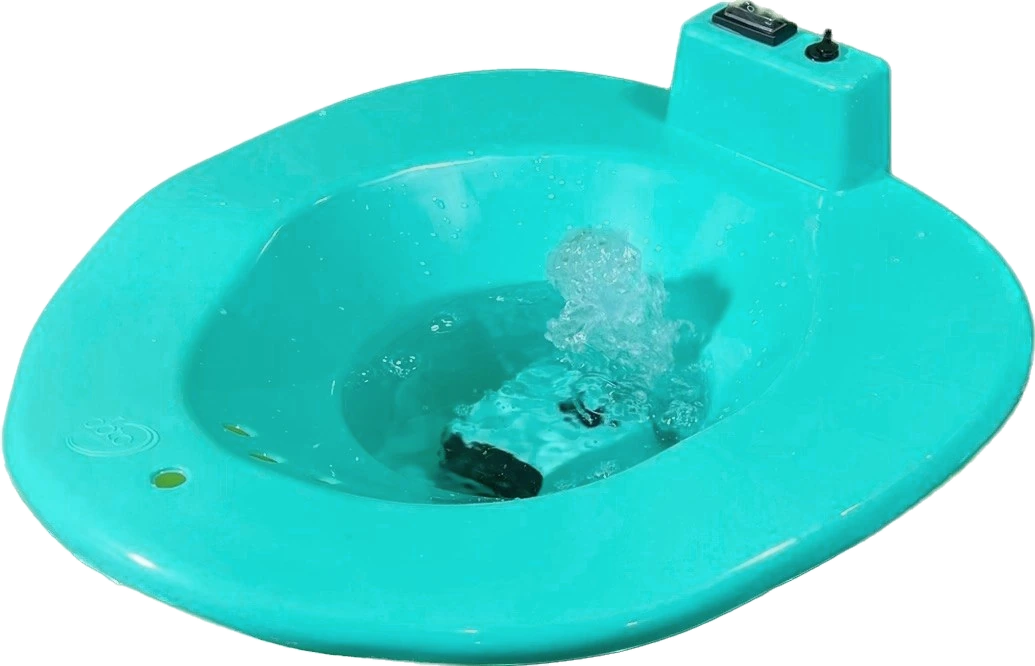
A gentle, continuous warm-water splash on any standard Western toilet. Electric and rechargeable battery models.